Author
7 Minute Read
TLDR;
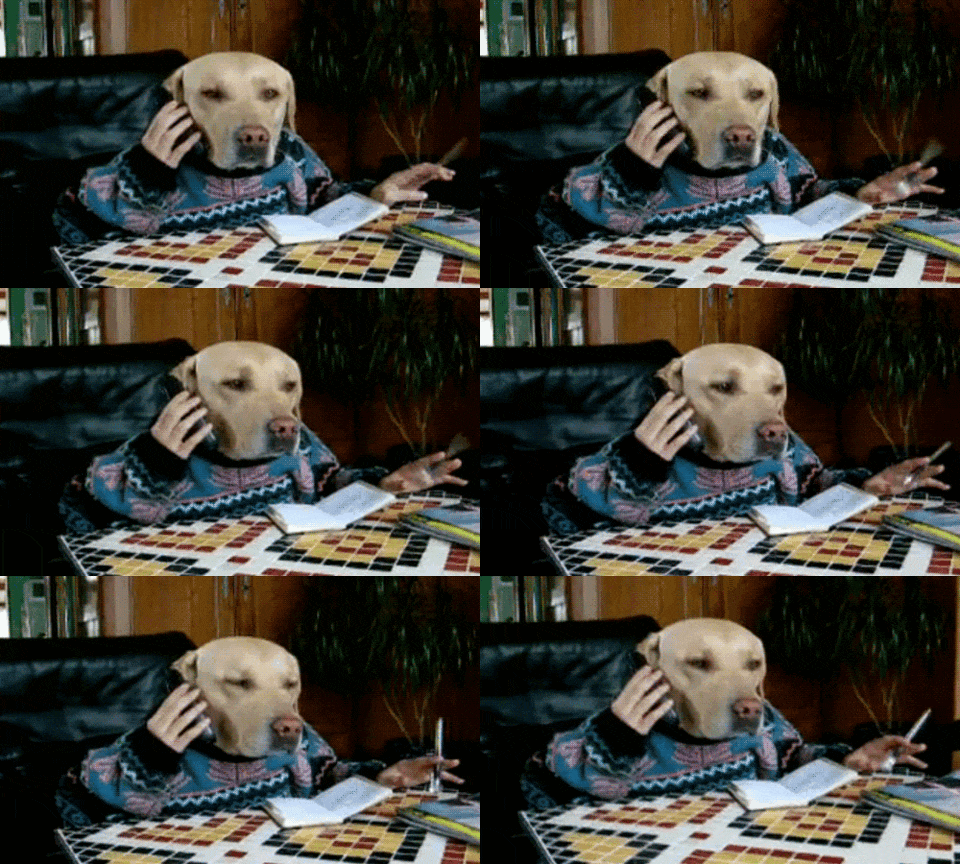
At Neato, we use AI as a multiplier—not a replacement. For our recent pet adoption campaign, we started with hand-drawn illustrations and custom typography, then used AI to scale. You don't have to choose between craft and speed. Here's how we pulled it off. Plus one very good boy.
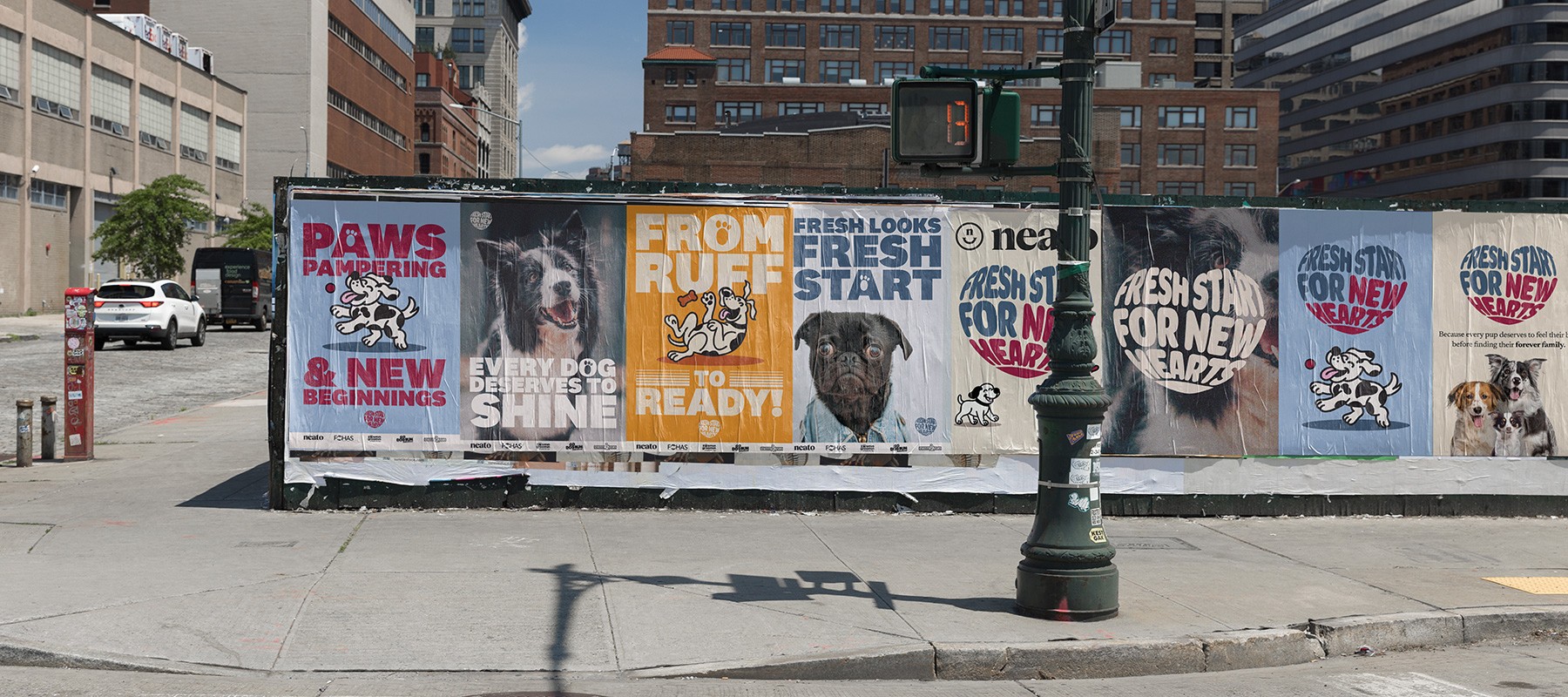
I know what you're thinking. Great—another design vs. AI hot take. But hear me out, because this might actually offer something new. I'm neither an AI evangelist nor an AI hater. I come from the world of punk and hardcore music—my introduction to graphic design was making show flyers, t-shirts, and Myspace pages (remember those?) So, obviously, I place a high value on creative process and craft.
Here's the reality: AI isn’t going away. If you're a modern designer (especially one working on fast-moving CPG campaigns) and you’re not leveraging these tools, it puts you at a disadvantage.
The good news? The choice between AI slop and human creativity is a false one. You can stay hands-on in your process AND use automation to scale it. Let me break down a recent Neato project where we blended traditional design with generative tools to bring ideas to life (without losing your creative soul).
A Campaign That Started With Pencils, Not a Prompt
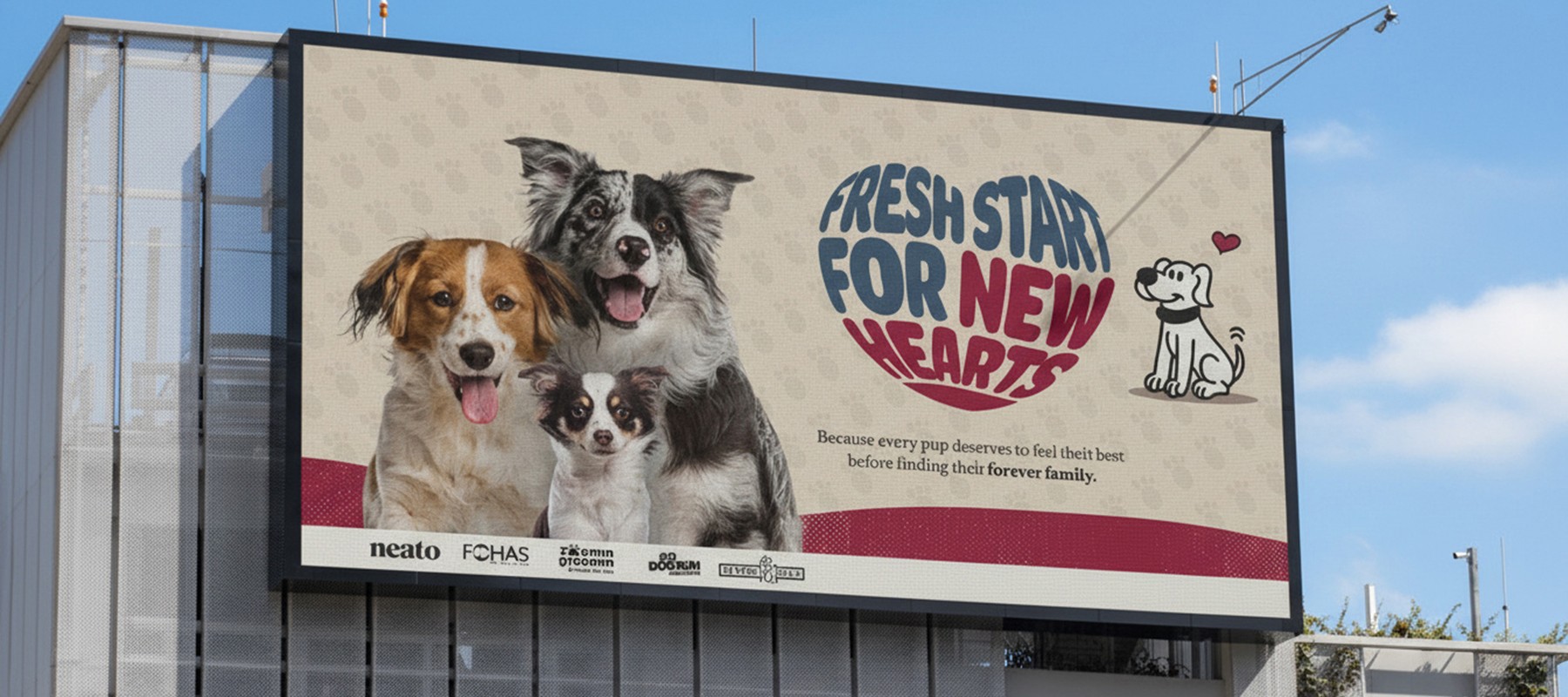
Quantity vs. quality. Every growing brand knows the tension. Why not both? AI works best when you give it something real to riff on. At Neato, we're dog people—borderline obsessed. So when we partnered with Las Vegas shelters to sponsor Fresh Start to New Hearts, a pet adoption event, we knew the creative couldn't feel templated. Every shelter pup got free grooming, a play date, and swag to help them find furever homes.
Adoption campaigns live on emotional resonance. Custom type. Hand-drawn illustration. Photography with personality. The kind of content that makes people stop scrolling. AI couldn't lead this. But with a tight deadline and multiple assets to produce, AI could help us scale it.
Here's the key: Let human creativity set the direction, then let AI carry the volume.
Why the Logo Had to Stay 100% Human
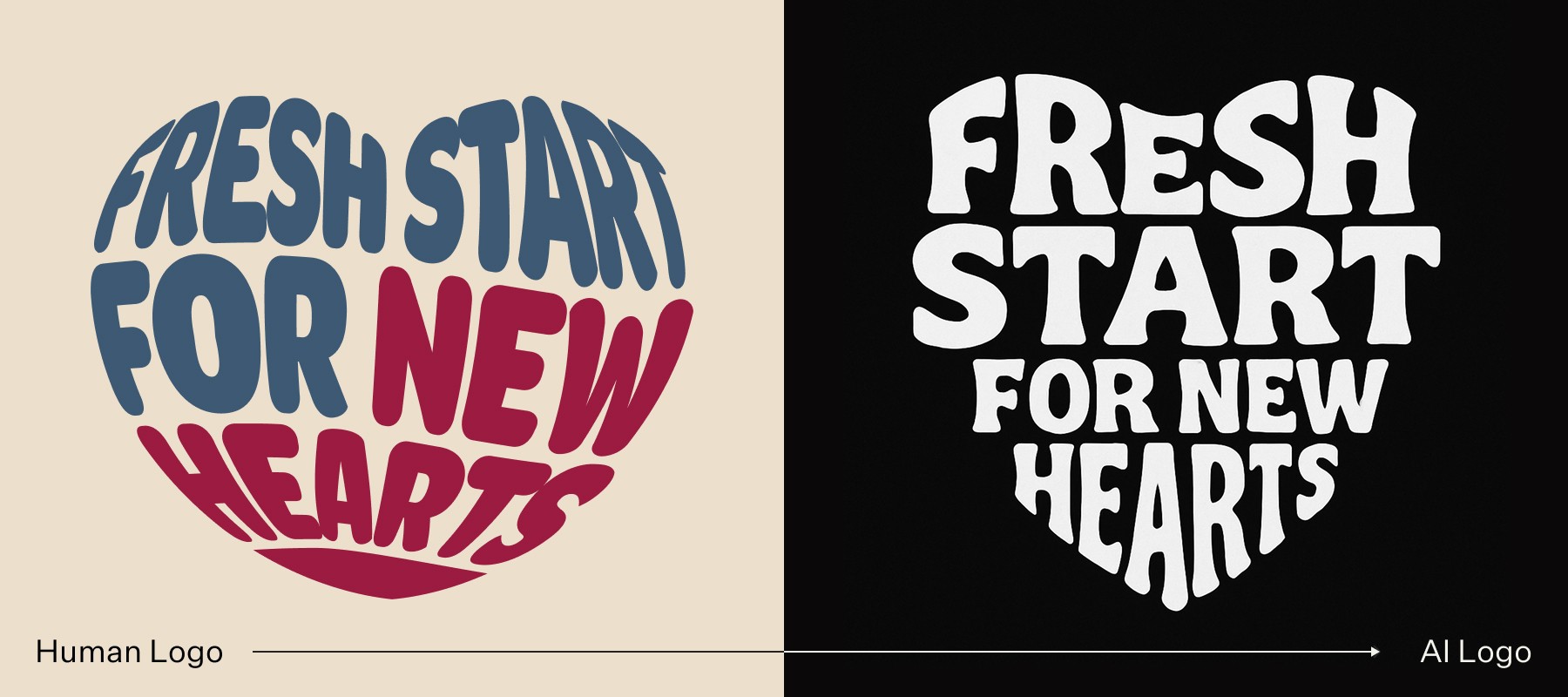
Typography is one of the clearest places where AI still struggles to deliver professional, reliable results. The Fresh Start to New Hearts campaign logo was entirely hand-made. We sketched it, refined it, vectorized it, and built it with intention. Out of curiosity, we tested generative models on typography. Even after multiple prompts, the results were inconsistent, distorted, or stylistically off-base.
AI has real strengths. Crisp, expressive, brand-aligned type isn't one of them—at least not yet. For this campaign, human typographic craft was non-negotiable.
Start Organically, Scale With AI
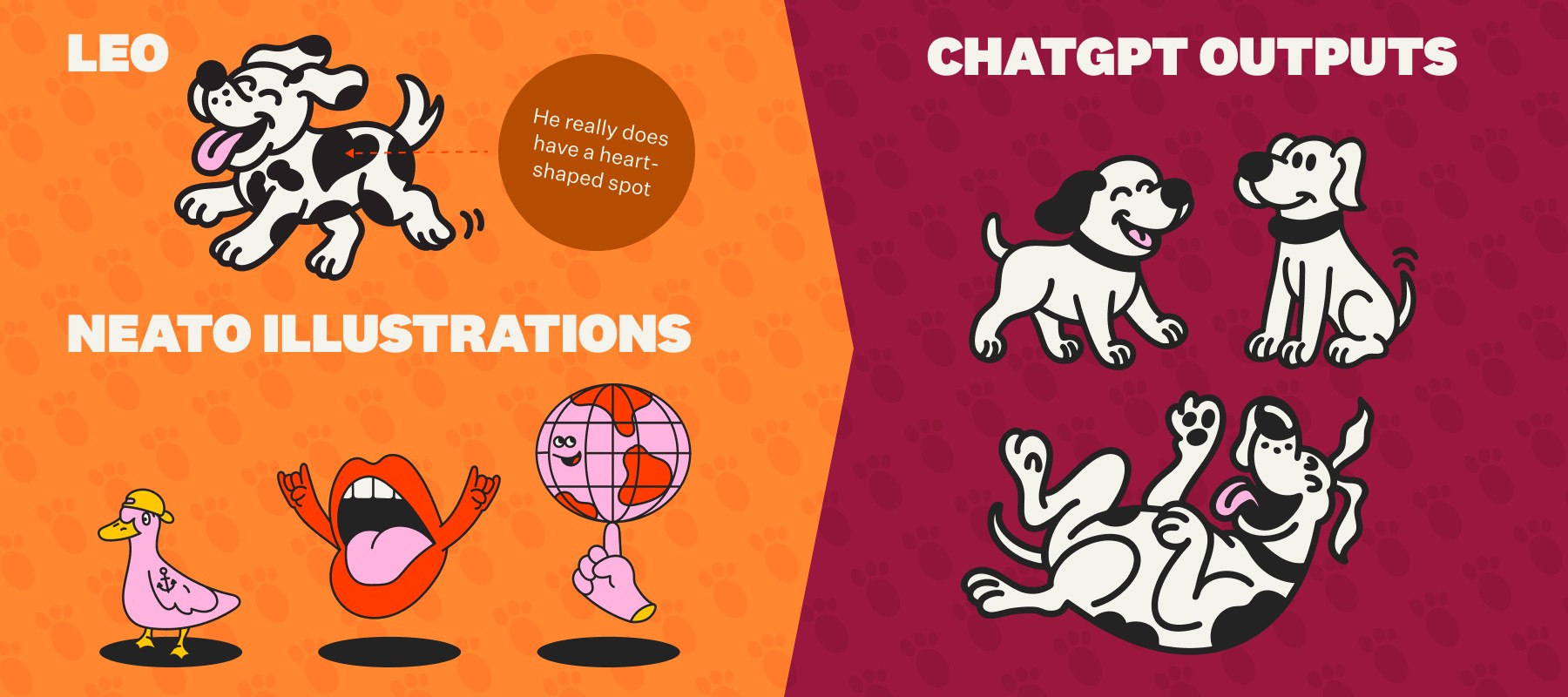
Here's the part designers sometimes miss: AI works best when you feed it something real. Something crafted. Something intentional.
I started with a hand-drawn illustration of my dog Leo, because of course, the rescue pup gets top billing. Neato has an established illustration style, so he was drawn digitally in Procreate before being vectorized in Adobe Illustrator.
From there, the vector illustration was uploaded into ChatGPT along with other Neato references. I prompted for specific style details:
consistent stroke thickness
color treatment
vector-friendly outputs
style alignment with existing brand assets
After a few iterations, we had several usable assets. We tested Midjourney and Adobe Firefly, but ChatGPT produced the most consistent style match.
For photography, we sourced lifestyle imagery using Unsplash and Adobe Stock.
But let’s be honest: the AI outputs still required plenty of cleanup in Illustrator to align with the hand-drawn pieces. AI can lift weight, but it can't replace judgment. And that judgment still lives with the designer.
What This Means for Modern Designers
The AI debate in design often swings between extremes. Reality is far more interesting and far more empowering.
1. Designers don’t have to choose a side
You can use AI to scale assets without giving up craft. The blend is where the magic happens.
2. Design skills aren’t going anywhere
AI can replicate patterns but not direction. Your taste, your art direction, and your technical skill still determine whether the work is great or generic.
3. Transparency matters
Stakeholders appreciate knowing what’s handmade versus AI-assisted. It builds trust—and that’s how you reach and keep customers.
4. Skepticism is healthy
You don’t need to adopt every new tool. You just need to understand the ones that help you create better work, faster.
Why This Matters for CPG Brands
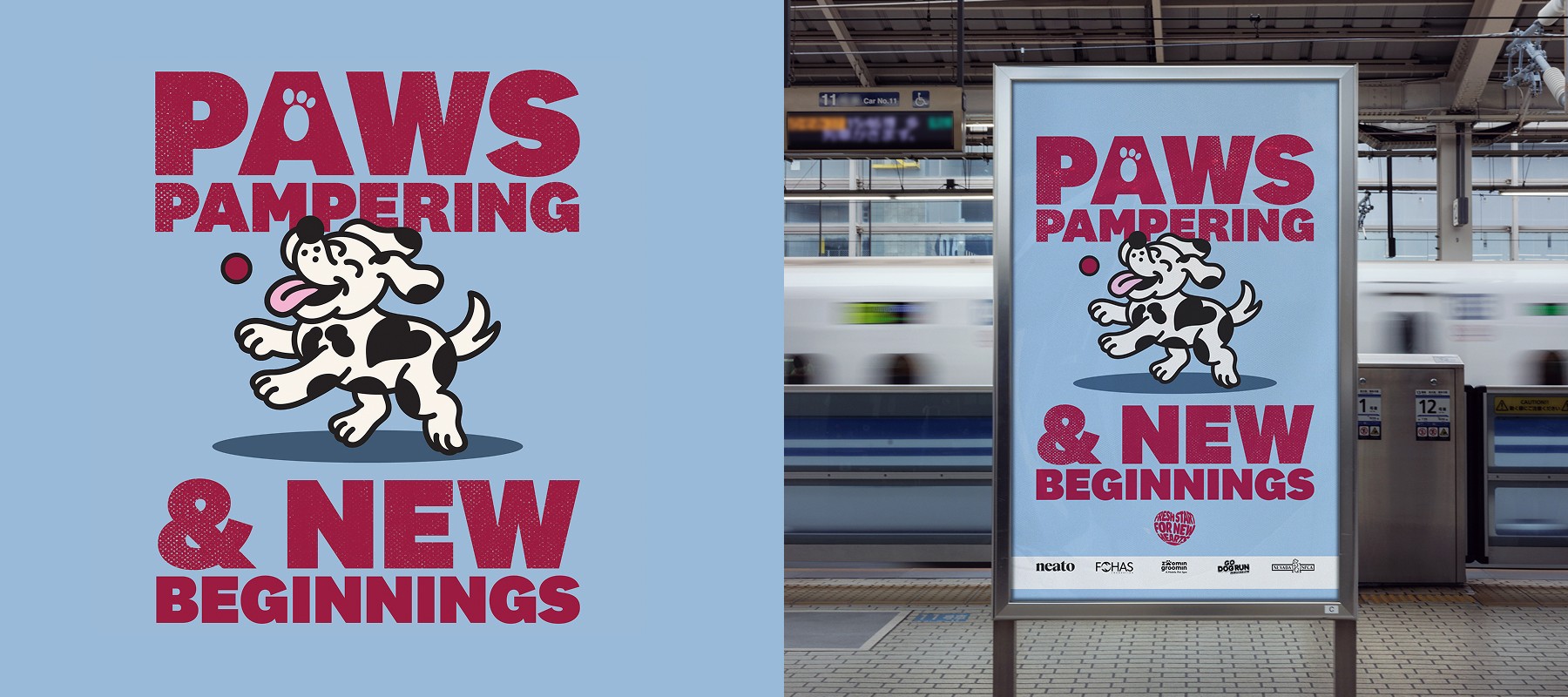
Neato designs every campaign with CPG growth in mind. AI design workflows aren’t about novelty; they’re about brand performance.
For growing CPG brands, human-first AI workflows mean:
Faster creative production without sacrificing brand consistency
Higher volume of visual assets for omnichannel activations
More flexible campaign testing, especially around new product launches
Brand identity protection even when scaling AI-assisted content
This is what lets mid-market CPG brands compete with enterprise-level creative output without needing enterprise-level teams.
Conclusion
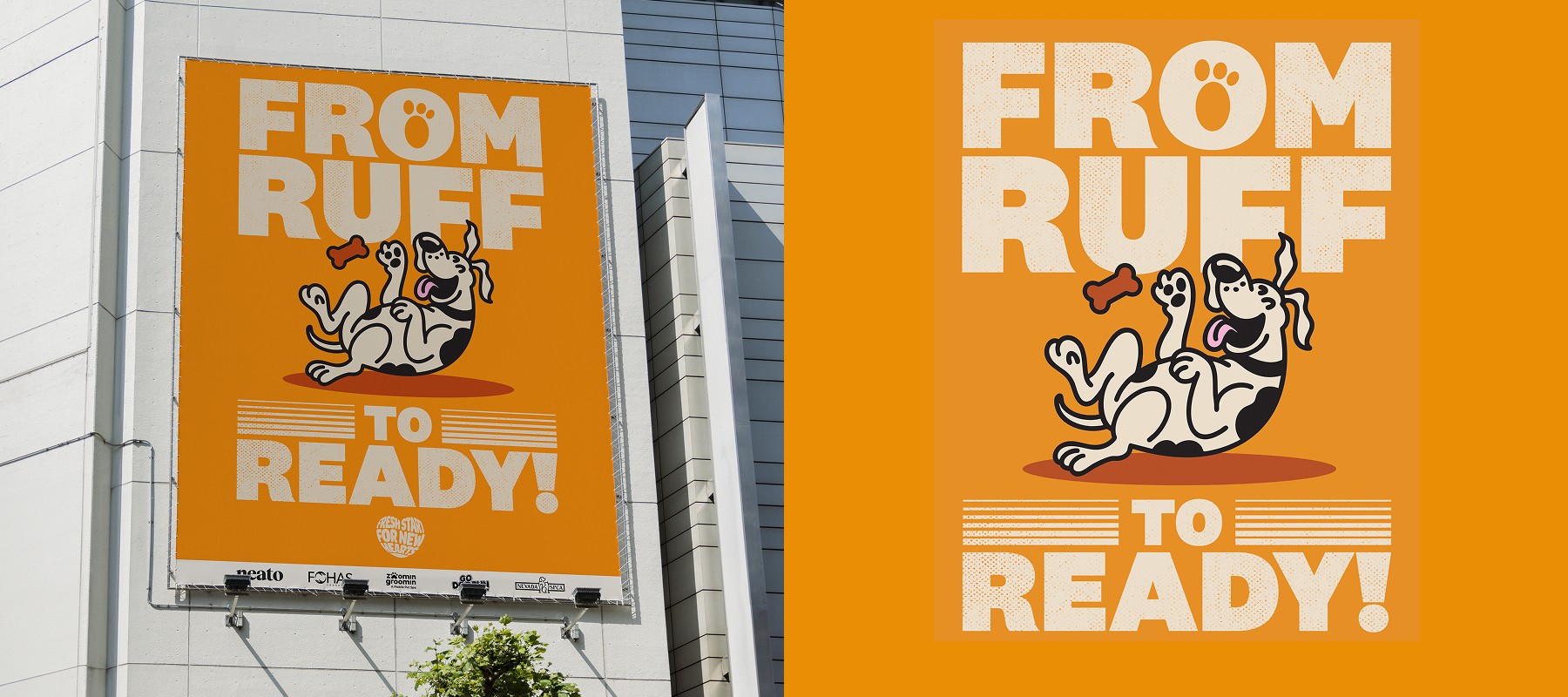
This hybrid 'start with craft then scale with AI' approach lets designers produce more without losing the fingerprint that makes their work unique.
The designers who will thrive in this next era aren’t the ones who reject AI completely or rely on it blindly. They’re the ones who know when to sketch by hand and when to fire up ChatGPT, Midjourney, or Adobe.
If you’ve been hesitant about using AI in your creative workflow, consider this your sign to experiment. You might be surprised by how seamlessly it can fit into your process.
Your creative soul will survive— promise!